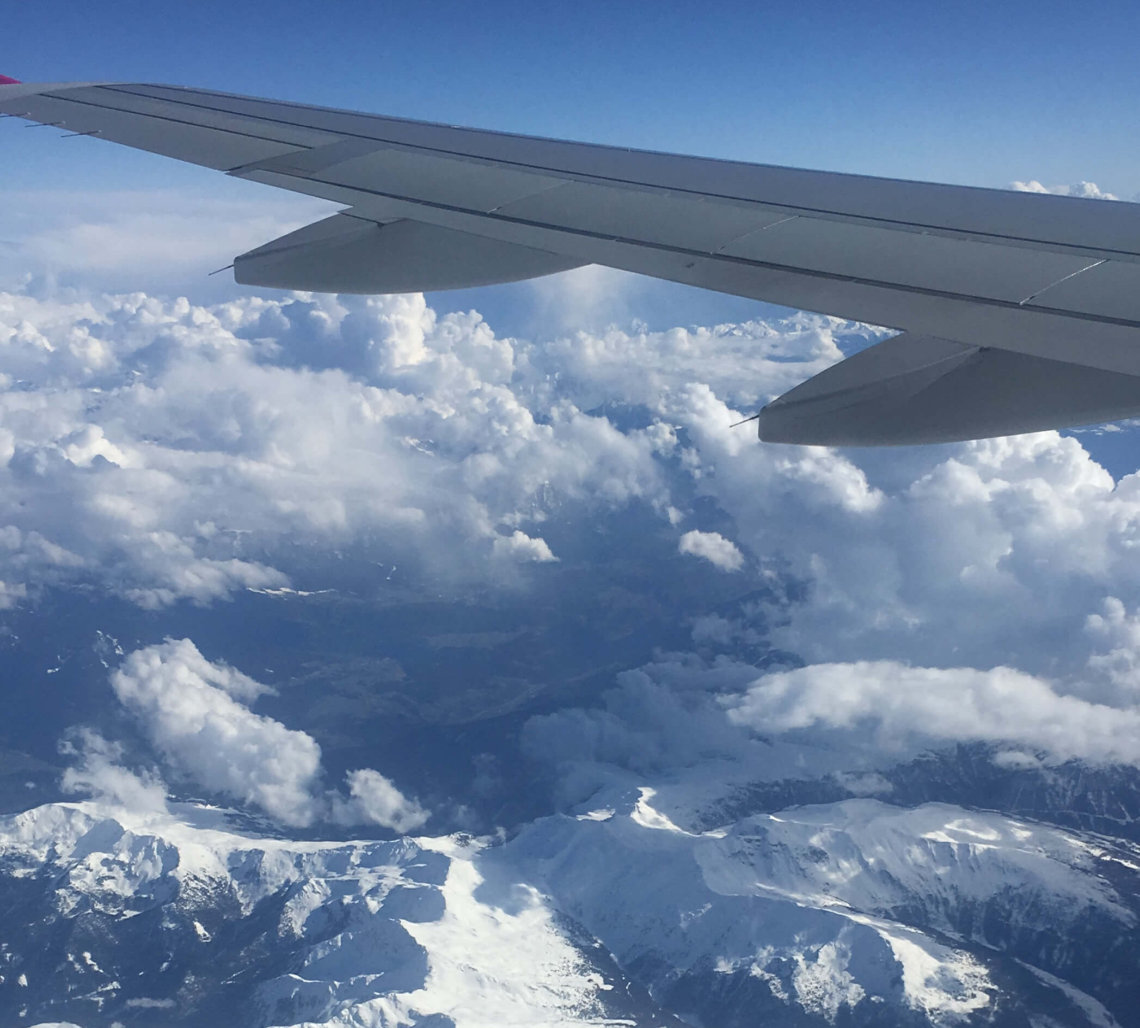
Checklist for Traveling Abroad for the First Time
So you’ve made the leap! You’re going on an epic trip abroad for the first time? Or maybe you’re reading this because you’re debating traveling and you’re wondering how hard it is and what needs to be done?
Well, I’m here to reassure you that with this checklist for traveling abroad for the first time and a little bit of preparation, you’ll be well on your way to exploring incredible places and making memories that will last a lifetime.
How do I know these things? Because I was once in your shoes. Before I left everything behind for love and moved across the ocean to sweet Italia, I decided in three short months that I’d visit the love of my life. So, if I can do it in a short amount of time on a whim – so can you! You’re one step ahead of me if you’re reading this, because that means you’re already planning! (Or you’re a loyal follower and read all my posts and to that I say GRAZIE MILLE – thank you.)
Table of Contents
“TO-DO’s” PRIOR TO TRAVELING
Get your passport. Depending on the state where you live, you can fill out the application online and take it to your nearest post office or passport center. Visit here for more information on applications and required documents. You will have to have an official photo made and filing for the passport will cost around $100. It can take anywhere from 2 weeks in low season (like February for example) or 4-6 weeks in high season. Your passport will typically be good for 10 years.
International Driving Permit. If you plan on renting a car or driving in the country that you’re visiting, you will need an International Driving Permit (IDP). The IDP can be obtained through your nearest AAA Center, whether you’re a member or not. As of February 2018, the cost was $20 for the permit and $6 for having your picture made. This permit will be good for one year exactly. You can fill out a form online here, mail it in, or simply head to your nearest AAA office.
Notify your banks and credit card companies. To avoid having your debit or credit card cut off after the first time using it abroad, make sure you file a travel notice with your bank or credit card company. Usually this just requires telling them the countries you’ll be visiting and your dates of travel. Don’t forget to include the layovers in case you make purchases in the airports!
Set up your phone to avoid huge international charges. Call your phone company and set up an international plan, if they have one. I was lucky with Sprint to have a free international plan as part of my package, so as long as I didn’t use over a certain GB, then I wasn’t charged. Another option is to purchase a SIM card in the country you’re visiting and pre-paying for minutes. In Italy, I used a SIM card from Vodafone and just reloaded it each time I visited. If you prefer not to do any of these, you can stay on airplane mode the entire time to prevent charges, and just use WiFi whenever it is available. Depending on where you’re traveling, most hotels, cafes, and restaurants now offer free WiFi.
Travel insurance. Face it. Things happen. You booked a trip to Thailand for your honeymoon, only to realize your passport expires in less than six months. Thailand has strict rules against that, meaning you cannot go there on your honeymoon anymore and you have to cancel all your plans. (Yes, that actually happened to us!) Or, perhaps Italian airport workers go on strike and all flights are cancelled. (That happened to me, too!) I have learned the hard way, after thousands of dollars lost, to purchase travel insurance. Whether you do that through AAA’s Travel Insurance or whatever booking site you’re using (I prefer Expedia), it’s worth it for the extra maybe $100 compared to the thousands you could lose if something happens.
Enroll in STEP. Smart Traveler Enrollment Program. This is a free program that allows you to register your trip with the nearest U.S. Embassy or Consulate. They will send you up-to-date information from the Embassy about the current conditions and events in the country or city you’ll be traveling to. If you’re living abroad, they will also send you important information about things happening in the area. It’s also a way to get in touch with you in case of emergency. I get emails alerting me of protests in certain cities and events making the city more crowded than normal, including the date, time, and specific street of the event as well as areas to avoid. It’s a great way to stay updated when traveling. You can enroll here.
Download apps to your phone. Okay this probably seems unimportant, but it’s a huge help!
- Google Translate is a huge help when traveling abroad – unless you’re visiting an English speaking country, of course. If you will not have service or don’t want to use much of your data, I recommend downloading an offline version of the language. For example, I have Italian downloaded on my phone inside of the Google Translate app so that it doesn’t consistently use data.
- Google Maps is the best for keeping track of where you’ve been, your favorite places, and important information such as opening hours and reviews of places. (I don’t always find hours to be accurate, but if there’s ever a mistake, be nice and make an edit for the rest of us would ya!) You can save things in Google Maps as well based on where you “Want to go”, your “Favorite” and “Starred Places”. You can also create lists with certain places in them and share them with your friends or family. Check out an example of a google maps list I’ve made here of our January Trip stops.
- Airline app! If you’re flying abroad, I suggest downloading the apps of whatever airlines you’ll be flying with. I always like to have my boarding pass printed, but I prefer to use my phone for updates. If there is a gate change and you’re eating in a restaurant, your paper ticket isn’t going to provide you with updated information. I also never rely 100% on my phone because your battery could die at any time. Always carry both!
Different currencies. First, find out the currency used in the country where you’ll be traveling. My personal preference is to wait until I get into that country and withdraw money from an ATM using my debit card. I never know how much I’m going to spend before hand, so it’s just easier to pull out money as I go. If you do not plan on withdrawing money once you arrive to the specific country, you can possibly order currencies at your bank of preference. Usually, it takes about a week for them to process this unless they have that currency within the local branch. Avoid exchanging currencies, especially in airports, as this is where you’ll lose the most money during exchange rates. For the ATM, I never withdraw more than I plan on spending and if I have money left over, then I’ll keep it until next time or use it as souvenirs – my nieces and nephews love “funny looking” money like Norway’s kroner coins with a hole in the middle.
Purchase adapters for your chargers. Most of the places you will travel will have differently shaped outlets. My favorite adapter has multiple outlets and includes 2 USB ports. You can find it here
Passport cover, neck pouch, or a good purse. These are all important things to prevent being pickpocketed. Europe has a high rate of pickpocketing, especially in tourist spots like museums and attractions. Carry your belongings closely, make a copy of your most important information, and keep your high-value items locked in a safe in your hotel room. I like having a passport cover in which I can carry my passport to conceal it (also I don’t have to carry it by itself which screams AMERICAN on the outside…not literally), but it also has a place for money, cards, and IDs. Here
[amazon_link asins=’B014SII7FO,B0082C62BO,B014UULU7M,B07588N3HJ,B077Z2322L,B074355VQM,B06XXVTPFS’ template=’ProductCarousel’ store=’outsidethis0a-20′ marketplace=’US’ link_id=’4714bbfd-399d-11e8-b6ec-d7603cc79772′]
Do your research. Learn some cool facts about where you’re going. What are they known for? Are you going to Norway? They’re known for their fjords and northern lights! Try the local food, drink, or dessert that they’re known for. Pinterest is a great resource for all of that information. One of my favorite type of pins is the “Traveling (insert country name here)” breakdown that tells you about tipping, the currency, the language, important phrases, major cities, etc. Check out examples of those here or see one for Switzerland below. No one expects you to learn their language but knowing a few words, such as hello or thank you will go a long way with the locals. They will appreciate the fact that you tried and will in turn be more helpful.
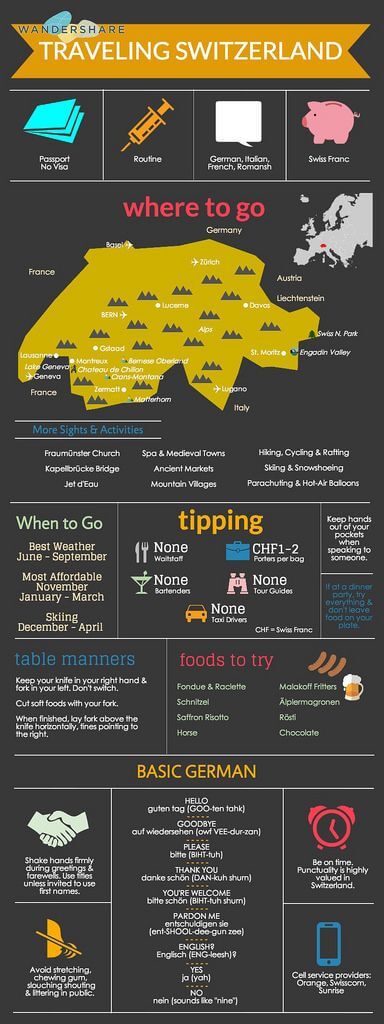
Related Posts: Switzerland – Lake Lucerne to the Swiss Alps by Outside This Small Town
BE PREPARED FOR THESE WHILE TRAVELING:
Passport Control. Most countries that I’ve flown into, at least in Europe, have a passport control area. Basically this is where you get your passport stamped and they sometimes ask you why you’re visiting their country. The first time I traveled abroad (by myself by the way), I was so nervous and when the guy started asking me questions I got incredibly nervous and gave the wrong answer. He asked me where I had flown from and I told him NC, which wasn’t true because I had a layover in Chicago It happens. They may ask you why you’re in the country, for business or for pleasure. Or they may not speak to you at all! They’re just doing their jobs, so don’t be nervous! The same thing will happen if you’re flying back home (especially to the US) and you’ll go through customs. They will vet you and ask questions about where you’ve been, if you have certain items, and what all you did while you were there. No worries!
Language barriers. Not everywhere you travel will have people that speak English. I’ve traveled to the countryside of Austria where not a soul spoke a lick of English, and I survived. If you can’t Google Translate your way through it (or the menu for example), the pointing and acting out with your hands method works also.
Safety. As always, when traveling, be aware of your surroundings at all times. Stay out of the way, be cautious of traffic lights and street crossings. Be smart. Never go into dark alleys at night – you know the drill, it’s the same advice your mama would give you!
Okay, this may seem like a lot of preparation, but it comes with a huge reward. Not all of these items on the checklist for traveling abroad for the first time will apply to you, but at least you know where to start! Accomplish these things and you’ll be well on your way to hopefully a great first trip abroad! I hope you have a great trip wherever life leads you. You will make mistakes, but you’ll learn from them. Don’t be afraid to immerse yourself in the country’s culture and have a great time!
Looking for a packing list? Check out what I pack in my backpack when I’m traveling here.
Stay tuned for the next post in this series about how to make a travel itinerary and a more in-depth packing list!
Download an abbreviated version of this checklist here!
xoxo, Summer Rae



5 Comments
Vick
It seems obvious but it`s actually incredible how many people go to a trip abroad unprepared. I think one of the most common mistakes is thinking that they don`t need an international driver`s license. The number of people I`ve seen arguing with the employers at the car rental company because of that…
Summer
I could never imagine making a huge trip like that and being unprepared haha. Thanks for reading!
Pingback:
Pingback:
Pingback: